26.6.20

Qué hacer con el enojo de tu hijo: 5 pasos para manejarlo


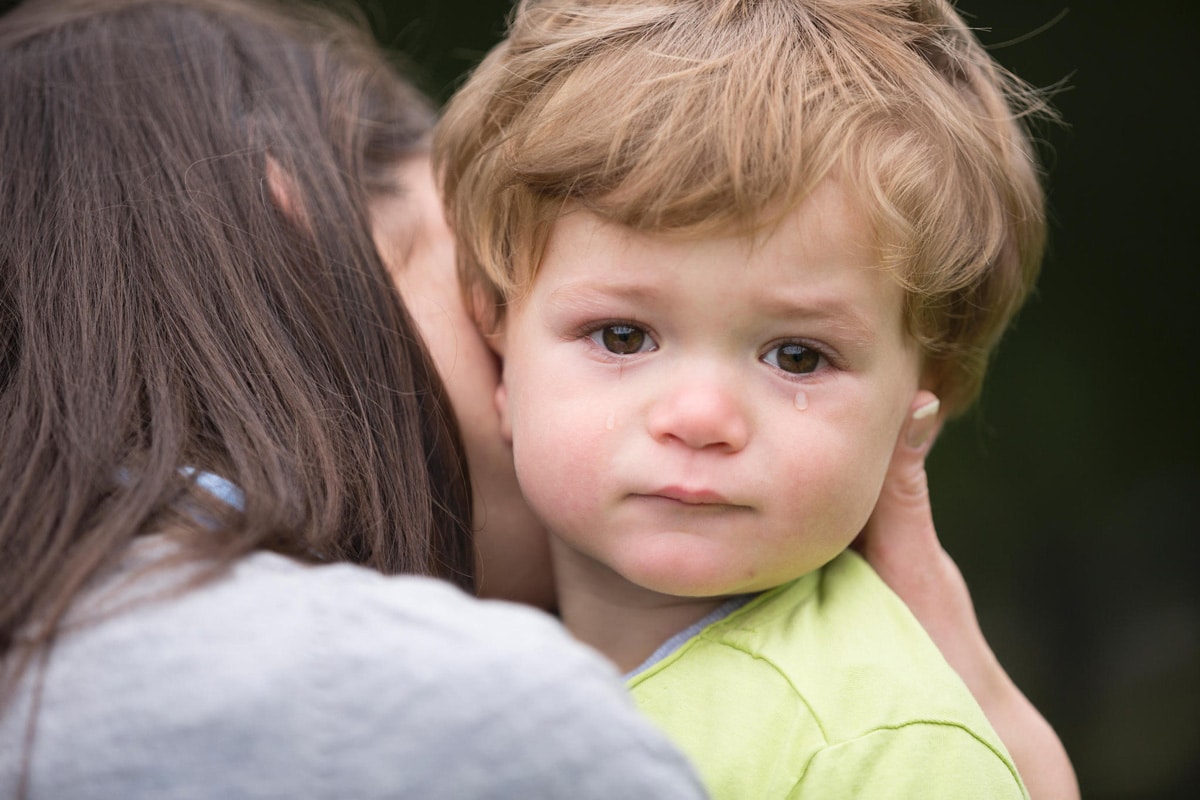
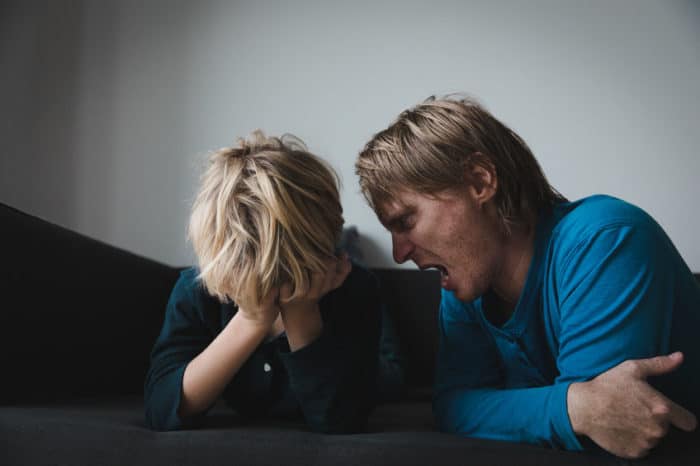
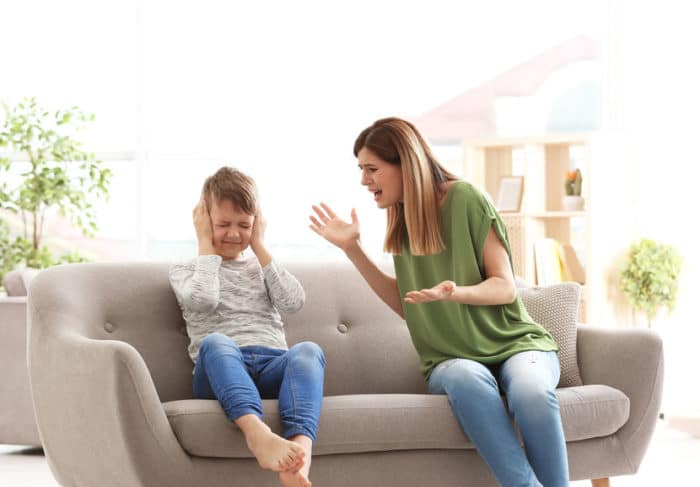
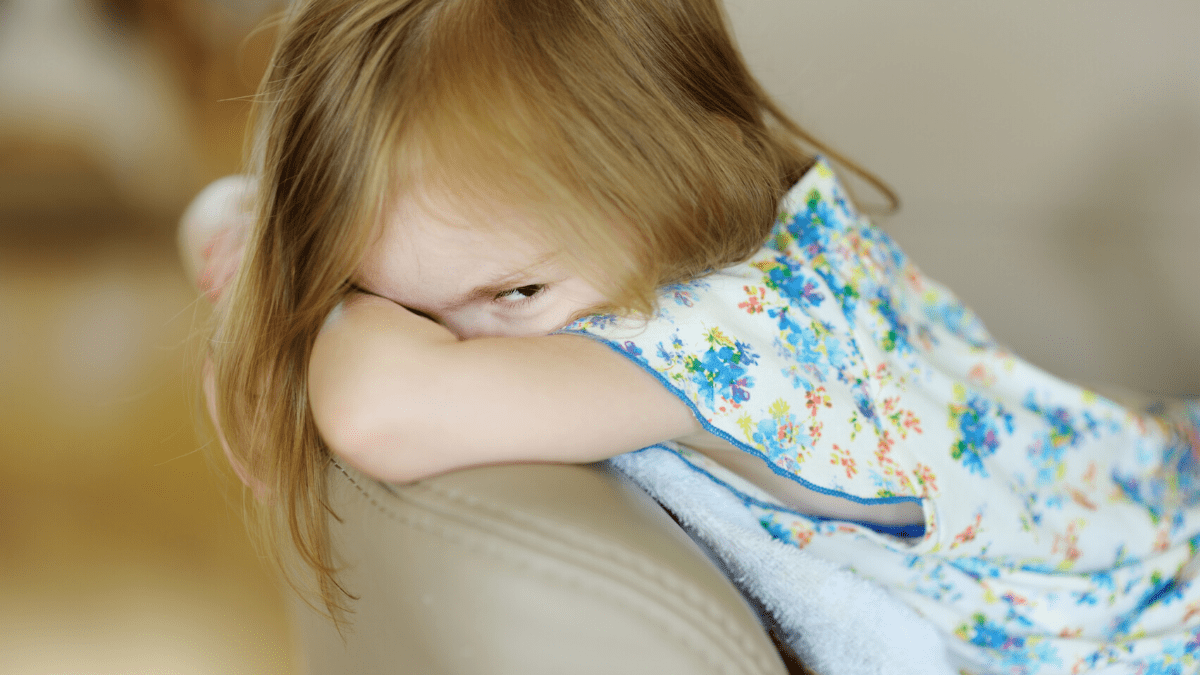
Los padres y los niños están estresados ​​en este momento, la cuarentena y el encierro actúan como a olla a presión. Entonces, cuando los ánimos y los enojos aumentan en el día, es necesario preguntarse cómo manejar mejor la ira y el enojo de los niños.
No son pocos los padres que envían a un niño enojado a su pieza para “calmarse”. Después de todo, ¿qué se puede hacer? Ciertamente no se puede razonar con ellos cuando están enojados. ¿Cómo podemos lidiar con sus enojos de forma positiva? Lee esos 5 pasos.

5 pasos para manejar el enojo infantil

1. Usa tu botón de pausa para calmarte:
  • Para (lo que estás haciendo)
  • Suelta (tu agenda, solo por ahora).
  • Respira (lo que te permitirá elegir cómo responder y no solo reaccionar)
2. Recuerda que eres el modelo a seguir para tu hijo o hija
Tu trabajo es calmar la tormenta. Si respondes con enojo, tu hijo se desregulará más. No “enganches” con la ira de tu hijo. No te lo tomes como algo personal. Mantén la calma lo más que puedas. Recuerda que tú eres el adulto que debe enseñarle a regular sus emociones.
3. Escucha y reconoce la perspectiva de tu hijo, incluso si no estás de acuerdo con ella
En cualquier desacuerdo, cada persona piensa que tiene razón. La ira no comienza a disiparse hasta que se siente escuchada. Una vez que tu hijo se sienta comprendido, su enojo no aumentará más.
4. Crea un ambiente de seguridad para que tu hijo pueda llegar a las emociones que hay atrás de ese miedo y enojo
Usa toda tu compasión hasta lograr un espacio que sea seguro para que tu hijo descubra los sentimientos más vulnerables que provocan la ira. Cuando se encuentre con su herida, probablemente comenzará a llorar y la ira ya no será necesaria como defensa.
5. Espera que tu hijo esté regulado emocionalmente antes de hablar de lecciones
Es posible que sientas una necesidad urgente de enseñar a tu hijo en medio del enojo. Serás más efectivo una vez que ambos se calmen.

¿Por qué hacer las rutinas educativas en casa? ¿Para qué sirven?

Establecer una rutina educativa en casa, ahora que estamos en cuarentena y los niños no pueden asistir al jardín o colegio, es fundamental para generar los menos cambios en la vida de los niños.
Porque los cambios que estamos viviendo producto del Covid sin duda afectan a los niños.
La rutina es necesaria en tres aspectos claves para el desarrollo de tu hijo:
  1. Cuando los acontecimientos suceden en el mismo orden todos los días, los niños tienen una mejor comprensión del mundo, se les transmite previsibilidad y por ende, se sienten más seguros.
  2. La rutina reduce la ansiedad, ya que saben qué es lo que viene “después” de por ejemplo ponerse pijama. O saben que después del jardín infantil, jugarán en la plaza.
  3. La rutina es un aporte para el desarrollo de una relación de apego seguro. Cuando los adultos se encargan de proveer entornos donde los niños pueden sentirse seguros, los niños aprenden a que pueden confiar en los demás para cuidar de ellos y satisfacer sus necesidades, por lo que llegan a ser libres y pueden relajarse para explorar su mundo

Las rutinas educativas brindan seguridad

Las rutinas sirven para proporcionar seguridad en su entorno. Se debe incorporar horarios, también hábitos repetitivos, los que favorecen el equilibrio emocional y desarrollo de su personalidad.
Cuando son bebes, no reconocen el orden de las cosas y los adultos deben enseñarles a organizar su día a día, con horarios y actividades estables, es decir, que realizan todos los días de la misma manera. Por ejemplo: levantarse, bañarse, vestirse, tomar desayuno, etcétera.
Esto a su vez, aumenta la autonomía y confianza en sí mismo, favorece la responsabilidad, puesto que tienen claro cuáles son sus tareas y que se espera de él/ella.
Como tips pueden armar una rutina grafica (con fotos o imágenes), esto ayudará a los niños más grandes anticipar lo que viene. Lo puedes colgar en un espacio de la casa donde todos lo puedan ver.
En Vitamina hemos preparado muchos contenidos relacionados a actividades y rutinas por nivel para que todas las familias accedan a contenido útil y práctico que aliviane los cambios que estamos viviendo producto de la crisis sanitaria.

¿Qué hacer cuando mi hijo se resiste a la rutina diaria? ¿Qué hago?


Los niños pequeños funcionan mejor con horarios estructurados. Anhelan la previsibilidad, sabiendo lo que sucederá, porque les da una sensación de control. Una rutina predecible permite a los niños sentirse seguros y desarrollar un sentido de dominio en el manejo de sus vidas.

Pequeños opositores y comprensión del día día

Los niños pequeños son famosos por ser opositores, pero los niños que entienden la rutina, en lugar de sentirse presionados por lo que parece ser una circunstancia arbitraria, tienen más probabilidades de cooperar. Crear una rutina regular es una forma esencial de darles a los niños la seguridad de saber “lo que sucede después” en su día.
Las rutinas también desarrollan la corteza prefrontal, la parte de planificación y función ejecutiva del cerebro, a medida que los niños aprenden que las cosas suceden en un cierto orden durante el día.
Tener un plan para el día también puede ser importante para los adultos que cuidan a los niños. Es cierto que muchos de nosotros amamos la libertad de decidir de improviso qué viene después, y a veces esa es la base de la creatividad. Pero eso funciona mejor cuando nosotros decidimos qué reglas romper.

Cuando la rutina no funciona: crear un calendario personalizado

¿Eso significa que “forzamos” a los niños a una rutina que no funciona, o los mantenemos en un horario rígido? Por supuesto no. La rutina de un niño necesita mucha flexibilidad para poder realizar algunas de sus tareas más importantes: la exploración y la experimentación.
Si deseas un niño que pueda sentir alegría, debes dejar que aproveche esas oportunidades de diversión fuera de la rutina.
Para ayudar a tu hijo a desarrollar un sentido de su “rutina”, te recomendamos crear un “Cuadro de rutina o un calendario”. Hay muchas maneras de hacer esto, pero básicamente es solo un póster con fotos de tu hijo haciendo sus actividades habituales.
Simplemente toma fotos que representen la rutina diaria de tu hijo (despertarse, ir al baño, vestirse, desayunar, ayudar en casa, colación, jugar, comer, dormir siesta, etc.).
Puedes escribir las palabras al lado de la foto. A algunas personas les gusta organizar las fotos en un círculo como un reloj, pero los niños pequeños piensan que el tiempo es más lineal, por lo que es posible que el reloj no ayude a tu niño tanto como una simple línea de tiempo. Simplemente organice las fotos en una cartulina en el orden en que generalmente ocurren. Es bueno usar velcro en lugar de pegamento, para permitir cambios de horario, y en caso de que necesite intercambiar “siesta” por “Visitar a la abuela”.
A los niños les encantan los calendarios de rutina, porque pueden hacerse cargo de sí mismos. Les da la oportunidad de sentirse menos controlados y dominar su día a día.
Un niño que se hace cargo de su rutina temprano aprende responsabilidad y se convierte en un emprendedor a temprano.

Educación de calidad: Con Sylvia Lavanchy

ODS4 - Educación de calidad - Simbolízate el blog de Símbolo ...
En el ámbito de la Educación Infantil se ha posicionado el tema de la calidad de la educación que se ofrece a los niños con que trabajamos educadoras de párvulos… sin embargo, la comprensión que está a la base de este concepto no siempre es compartido. En este contexto, es que queremos dar a conocer a educadoras y técnicos en educación de niños pequeños lo que por ella comprende Sylvia Lavanchy, Coordinadora de investigación y contenidos de Vitamina, quien plantea:
“Al hacer una revisión profunda de los componentes que configuran una educación de calidad para los niños en sus primeras edades desde sus inicios, es posible encontrar ciertos elementos comunes que nos permiten definirla, estos son:
• un educador experto y auténticamente comprometido con los niños y sus aprendizajes, como elemento central.
• Ambientes variados, interesantes y desafiantes, diseñados para el aprendizaje de los niños, acorde a sus        características.
• Interacciones adulto niño cálidas, respondientes, comunicativas e informativas.
• Promoción de interacciones continuas entre niños, para favorecer el aprendizaje cooperativo.
• Comunicación fluida e intercambio de información permanente entre adultos que trabajan con los niños.
• Perfeccionamiento personal y profesional permanente de personas que trabajan directamente con los niños.

Al preguntarle por cómo se configuran estas características en programas adecuados y exitosos, Sylvia plantea que “esto se da en programas que evidencian una preocupación personal por cada niño; que potencia sus capacidades, favorece su expresión, ofrece un acercamiento a la naturaleza, crea situaciones de interacción educativa y fortalece su conocimiento del niño, a través de la observación y documentación, incorporándolo en su saber; lo que deja de manifiesto que el educador está indiscutiblemente comprometido con cada niño”.
Y precisa: “Sabemos que nuestra tarea de educar es de calidad cuando observamos a nuestros niños. Ellos se mostrarán seguros, satisfechos y felices; curiosos, motivados para aprender, abiertos a desafíos nuevos, interesados en el mundo que los rodea, dispuestos a colaborar ante problemas nuevos”.

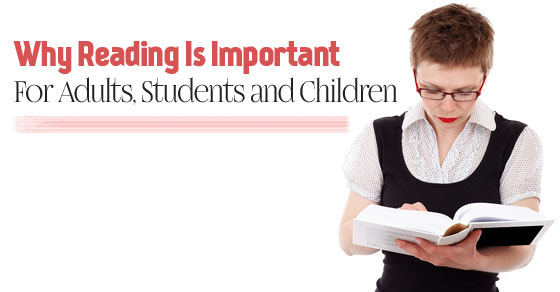
Why Reading is Important for Adults, Students and Children

 
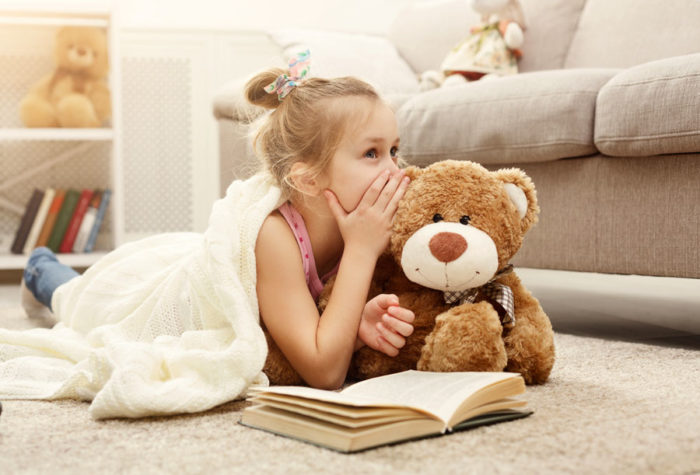
Reading has been the common practice since the time immemorial, but now with the change in time and advancement of technology, the students, adults and children are avoiding books and are addicted to the tech savvy things like smart phones, etc. They are more tethered to the computer, phone screens and hardly know the joy of reading, spending some time in the beautification of going through the interesting books. Here we have discussed few tips on why reading is important for everyone.

Benefits of Reading:

Reading is one thing which can give you the glimpse of the whole world without even moving an inch from your place. There are lot many other benefits of reading books, magazines or any other readable stuff.

1. Enhances knowledge:

When you read, you get to know many things which you might not have come across otherwise. So, by reading, you will be able to enhance your knowledge. With bits of information, you are able to fill up your head.

2. Learning of new words:

The more you read, the more word you come across and they make the way into your daily life. When you start making use of the good words in your day to day life, you tend to feel satisfied and happy. Being able to speak well with a good vocabulary, you feel confident and also it is the key to any successful profession.

3. New languages are learned:

Not just the words, but also many dialects and languages are learned. When we read ourselves, we tend to remember that for a longer period of time but when we just hear from someone, it does not make a long lasting impression on our mind. So, in this manner it also helps in learning varied languages.

4. Increases patience level:

The level of patience increases. When you have a good thick book of 100 pages, you wish to complete it but with patience to know the indepth meaning of each line and the word in it. So when this attitude of understanding every single word comes to mind, the patience develops ultimately.

5. Brings tranquillity:

No matter what type of book you read, every book relaxes your mind and brings peace into your mind. It brings a change in your attitude with the subject you read. For example, reading spiritual content lowers the blood pressure and going between the lines of self help books assist in knowing various solutions to the inevitable problems in life.
So, not just the problems are solved, but also the life in that particular moment of ecstasy, the peace is experienced, forgetting all the issues in life.
So, above are some of the reasons which tells the reading importance for everyone. No person in life should restrict himself or herself by reading any book. Many qualities are incorporated within an individual that might not be inculcated through any advice from parents and others.

Why is Reading Important for Adults?

Reading is not just helpful for the younger generation, but also for the older ones and adults. The adults must read a lot as reading keeps them up to date with the change in time. If they do not read, they will be left far behind the time of the youngsters and it may leave them feeling embarrassed.
Here are some of the points which show that even the adults must read maximum books, newspapers and magazines:

1. The most important is awareness:

The best answer ever for “what is the importance of reading” is to be updated or awareness.The importance of reading for adults creates awareness. They come to know what is happening in their surroundings. For example if they read newspapers, they will come to know about the recent development of the country, the new schemes and also the mishappenings occurring in the nation.

2. Reduces stress level and avoids depression:

Adultery is the time when most of the students go through their love life which almost leave them in stress, over thinking, killing precious time. This leaves them depressed and sad. So, in those situations, reading helps in shedding away all the stress and one feels relieved for at least the time when one is reading.

3. Diverts the mind towards positivity:

The adults are more prone to tensions and also stress. The reasons can be many like academic failure, stress of choosing the right career for the settlement in the future, pressure from parents to perform better and so on. Whatever may be the reason, reading helps in diverting the mind towards positivity.

4. Greater understanding of the subject:

Little knowledge is a dangerous thing. So, if you just listen to one or two lines from someone about any particular subject, it will never do any good to your knowledge, unless you go in depth of the whole subject. So, it is better to inculcate the reading habit so as to understand the subject in depth.

5. Greater ability to cope with difficult situations:

Reading is one thing which gives you countless solutions for solving the difficult situations that arise in life. Whether you read a novel or any biography, it teaches you something. For example, it gives you motivation on how to cope with difficulties or it helps you in knowing what struggle the great personalities did and how they won over the troubles.

6. Build confidence:

The adults are meant to be the pillars of the country who will move out and fight for the nation. For that they need to know what Is going so that they are able to take a concrete stand against the odds in the country. Also if they are well informed, they feel confident to stand in front of other intellectuals. This way they learn to live in a society which always demand the truth to stand erect leaving the false and odd to bow in front.
So, above are some of the reasons which show that even the adults must go through different books and magazines as there are many advantages of reading books. It’s not particularly about reading books, rather you can read anything which gives you immense knowledge, such is the value of reading. Even a single line can help with the motivation and can change your life.

Why is Reading Important for Students?

There are many reasons why reading is so important for students. This is because nowadays number of changes are coming in the society and some of those changes are positive while some are negative. Whatever is the change in the society, one has to keep themselves updated with those.
So, to keep yourself updated, reading is the only solution. No reading means lack of knowledge and lack of knowledge means zero development. The students should read because of many reading benefits like:

1. Helps in overall development:

Here overall developments means personality development. When a student reads, he develops into a different human who is able to stand out from the crowd. The brain develops in a positive manner. The brain functions well because when a student reads, lots of questions arise in mind and that curiosity of getting answers increases knowledge.

2. Mature thinking develops:

When a younger person starts reading, they become not only better in reading, but also they develop mature thinking which makes them mature and wise. Also, any activity which requires a good deal of thinking is considered to be beneficial for the betterment of the student.

3. Spellings and vocabulary are increased:

When the students read, reading improvement happens as well as they themselves improve their vocabulary and spelling. Often students tend to make number of spelling mistakes during dictations but when they develop the habit of reading, there comes no spelling mistake and also they learn the synonyms and sentence formation.

4. Command over one language:

If a student reads English, then in that particular language only the student gets command. If it’s any other foreign language like French, Spanish or Indian language like Hindi, Punjabi and so on, the person tends to have flow for that language. It becomes a positive point and is appreciated later in the life.

5. New information:

The reader comes across various little things like non fictions, fiction, etc. Even if one is not reading a true story, a great amount of new information is learned. Some are also the historical fictions which at times inspire a lot as they tell how the people in the past did not have any means of recreation so they used to read maximum books to pass their time. Also, they did not have an easy access to education , so they used to read full newspapers to keep themselves updated with the information.
So, above are some of the points which clearly define why is it so important to read for the students. The parents must drive their students towards reading as they are the first teachers and if they themselves will not motivate their wards, then how can it be expected from others about the motivation.

Why is Reading so Important for Children?

No parents and the teachers would like to see their children dull and lazy. So, if you also do not want your kids to be lazy and shy in the social gathering then encourage them to read interesting books. It’s you who can develop their love for reading because reading is the only way by which one can acquire the large mass of knowledge on the earth. The various benefits of reading for children are as follows:

1. Builds well being and intimacy:

When a child is asked to read, he or she builds intimate relation with the books which helps in the well being of the child. Also when the child reads a lot, he becomes curious of knowing more and more, which further motivates him to read and study.

2. Calms your child:

Whenever your child seems stressful, read to him or her a descent fairy tale or any other comic book so as to relieve him or her from any stress. Reading not only says to go through the intellectual books, but one can read anything which comes the way.

3. Reduces communication gap:

When you read to your child, he or she tends to ask a number of questions. Those questions and answer session helps in reducing the communication gap between the mother and the child. Hence builds a great and strong bond or we can even say that it helps in building healthy relations.

4. Builds imagination and listening skills:

Reading not only helps in increasing knowledge and vocabulary, but also builds the imagination of kids and improves listening skills. When a mother reads to her child, the child listens it carefully with full interest which helps in constructing good listening as well as improving memorizing skills.

5. Helps in school studies also:

Many studies have said that the children who do well in school are often those who were exposed to reading books before joining the school. Not just this, it also promotes longer attention span which is vital for the kids to build the concentration level.

6. Young children learn about colours and shapes:

The brain of young children is developed as they come across various colours, shapes, letters, sentences etc. also through reading the parents get to know the interest of their children. Their likes, dislikes are known which ultimately helps in overall development of the children.

7. Teaches differences between good and bad:

The books teach your child relationships, personalities, different situations, and also diffenciation in good and bad things and circumstances. Fairy tales and the fictional stories teach your child to know what is real and what is not real.

8. It becomes a habit for life time:

When your child has grown with reading books, he or she learns that reading is too much fun and not a burden. So, when your child grows up, you will not have to stress on asking him or her to read, as he or she himself will read knowing that reading is too much fun and pleasure.
So, above are some of the benefits of reading for children. Reading is not restricted to any age or any gender. Anyone can pick a book and read.

Why Education is Important? Top 13 Reasons

why education is important 
Education is not just to read and write but to make use of it for their own advantages and to utilize the knowledge for their growth.
Also one can lead their own life without depending on others. It is not about making people literate, as literacy is entirely different from education.
Literacy is meant as the ability to read and write, whereas education is finding out the reason behind everything and using the reading-writing skills to improve their lives. It helps the countries to grow economically and cherish with prosperity.
To live a flawless life, education is very important for every individual. Lets discuss what is education and the importance of education.

What is Education?

“Education is nothing but studying different kinds of subjects to gain knowledge and understanding and trying to apply it in daily life”.
Also, education is not only gaining book knowledge but also can be learned practically. Education doesn’t mean to just go to schools and colleges daily and attend exams, it is meant for gathering knowledge and relating it to our lives.
Even a robot can read and write, but using knowledge wisely is what makes humans different. Education is not only for utilizing ourselves, but it can also be used to improve other peoples’ lives.

1. Other definitions on educations:

“Education is knowing about the facts of life. In every part of our life, we learn in different forms“.
“Education is not to mug up, but to understand how to create the world around us, how to sustain it for future generations and how to develop relations for existence“.
“Education is the only way to win the world. It is to think deeply about something till its roots and understand the intention behind it“.
The role of education is meant for developing something new rather than relying on old innovations. One should be able to identify what he knows and what he doesn’t know.

2. Great people define education as:

Education is the ability to think, apply it in the world and to know the value of life. It doesn’t limit with self-education, but also to spread it to every human around us. There is no end for education, as in each and every stage of human life we learn something.
It is not about learning life, but education itself is life. Also, it is the key to find great characters hidden in every individual.
It will help us to know what harm we are doing to the world and guides us to protect the world from all dangers which are caused by human beings. This is the wealth that can be transformed from ages to ages.

Importance of Education in Our Lives:

To gain respect from society, one should be educated. To lead a happy and prosperous life, one needs to study and obtain a great job to be successful in life.
It helps in earning money and fulfilling the basic needs of life. Also, education will help to gain a reputation by being in a great position. It can help you grow in a career and fulfill their dreams. It also helps one to set personal and career goals.
Education is irrespective of caste, creed and gender, by gaining knowledge people can stand out as equal with all the other persons from different caste and creed. It is a platform to prove the equity by defeating all barriers.

1. Other advantages:

The importance of education for every person is to live independently and to gain freedom. In any way, education will protect a person both financially and also help them to live their life on their feet.
It allows to set standards of life and will provide knowledge to understand the results of wrong decisions and help to find alternative ways.
It will rule the uneducated persons and protect the world from the dangers caused by them and help them to improve the lifestyle by implementing laws to control them in case of any misbehavior. Also, it will help to understand each and every individual role and responsibility to build society.

Why Education is Important for Children? 

Education is important for children because they are the future of the world and they should be updated with current affairs. They are the pillars of the nation, to develop a country and the world the future should be secure and the children are the weapons to build the nation with all their knowledge and education.
We should inculcate the past generation’s values and carry them with huge current innovations. It helps to break the social evils like racism and poverty line, so each and every child must be educated.
The children will stand out as future leaders to develop the nation from all the issues and hurdles, stopping to grow.

1. Education at childhood:

Education is necessary at the childhood stage, this is the period where it provides them a chance to develop mentally, physically and develop social awareness in them.
It gives them experience and confidence to face the outside world. It is a stage to explore themselves. The importance of education for children are many. It is the parent’s responsibility to provide them with the right education at the right age.
Also, they have to find out children’s interests and accordingly have to provide education. This is a crucial stage, which will impact them very effectively either in a positive way or in a negative way, it is dangerous if they went in a wrong path.

2. Play an important role:

The role of education in our life doesn’t only mean to give bookish knowledge to students, but also to provide different kinds of knowledge in different kinds of skills like painting, drawing, singing etc
The mental status of children before joining the school will be different, once they step in they will try to grab more knowledge of lifestyle, it is the stage to motivate themselves into a new human being, they will start identifying what is good and what is bad for them.
They will start analyzing, questioning and reasoning for every task. Also, they will start to learn from their mistakes. They will start fixing themselves in the competitive world.

3. Children start building goals:

If a child is joined in a school, he will start learning, playing and enjoy with friends. While learning he will understand what position he is in acquiring knowledge and will try to slowly grab the top position.
While playing he will understand what is the logic to win it, this way they start building goals at an early stage. But parents should understand whether their children are working only for ranks and grades or are acquiring some wisdom and knowledge.
Also, parents should not judge their children’s knowledge and intelligence on their grades. The grading system in education and the expectation of parents and teachers have pressurized then to just focus on grades rather than knowledge.
It is important that they are aware of the purpose of education and how it works in real life. They start maintaining a structured life.

Why Education is Important to Society:

For a modern society, education is very important. The old values of education and ethics have been sweeping slowly, so it is the right time to get educated by inculcating the history to the students.
There is nowhere one can teach culture, education in the right process to transform the culture to modern society. It is the perfect stage to mould a person into a complete leader with all the human emotions, values and heritage.
These days students are influenced by some of the bad events that are happening around the world, so it is necessary to develop and lead them in a perfect path.

1. Education helps to bring productive results:

Education these days is important as the population is increasing, the needs of people are raising. Hence there are many firms where they require a huge number of employees to develop, so to bring productivity one should be able to gain knowledge and develop healthy competition.
Also, these days women should be equally educated along with men and promote women empowerment. Education is the best platform for them to prove themselves that they are equal to men in society.
No one can learn something new by sitting at home, education is what provides them to acquire new knowledge.

Why Education is Important for a Country:

  • People will become better citizens with education
  • You will get to know the importance of voting only through education.
  • It will help you to get a job.
  • People can know the difference between good and bad.
  • Will work hard to grow and develop themselves.
  • Help in creating a better society to live in
  • Becoming a respectable law-abiding citizen of the country.
  • Strive for the betterment of the country
  • Education will support mothers who are single or alone
  • Raise the children rightly as they are the future of the country
  • Solves unemployment in the country

Why Education is Important Quotes:

1. Education is the most powerful weapon which you can use to change the world. Nelson Mandela
2. Education is the passport to the future, for tomorrow belongs to those who prepare for it today. Malcolm X
3. An investment in knowledge pays the best interest. Benjamin Franklin
4. Education is not preparation for life; education is life itself. John Dewey
5. Develop a passion for learning. If you do, you will never cease to grow. Anthony J. D’Angelo
6. The roots of education are bitter, but the fruit is sweet. Aristotle
7. Change is the end result of all true learning. Leo Buscaglia
8. Education is the movement from darkness to light. Allan Bloom
9. Education is what remains after one has forgotten what one has learned in school. Albert Einstein
10. The aim of education is the knowledge, not of facts, but of values. William S. Burroughs
11. Education is the foundation upon which we build our future. Christine Gregoire

Reasons Why Education is Important:

It gives an opportunity to learn different languages other than the mother tongue and the ability to survive anywhere in the entire world.
Education guides you to develop as good citizens of the society. It helps to protect ourselves from the other harmful events and helps you keep educating of current dangers, diseases and ways to face or prevent them.
Also, it will make us know what may cause danger to others and make us aware of not causing trouble to others. We are provided with beautiful resources naturally so education will help how to reserve them, how to sustain them and gives ideas for creating alternatives.

1. Comfortable and stable life:

It is expected by everyone that they need to live a life of comfort and luxury, but to make that happen either the person need to be stable or educated.
To earn a better life and live a comfortable life, a person needs to understand the value of education. Most of the people think education is a waste of time, as they have their own strong success stories which usually cannot be related to everyone practically.
But if a person has even a small portion of knowledge, then it is possible that they can manage their life in a better way compared to uneducated people.

2. Improvement in standard of living:

Most of the people think that education can lead a person to a position where he/she can fulfill all of their dreams and expectations. But most of them do not believe in such thinking that education creates such a difference in one’s life.
Also, education alone can’t make you successful unless he/she work really hard to get to that position. If a person starts dedicating himself/herself for quality of education then it is possible that the result of such dedication will be fruitful.

3. Provides safety and security:

If a person needs a life with safety and security, then he/she needs to understand the value of education in our daily life.
To lead a life of safety and security the person needs to take active participation in educational activities. These educational activities will provide them the knowledge which can help them live a better life. These kinds of drastic change can be initiated with the help of education in one’s life.

4. Equality:

This is the only way where a person of any caste and region will maintain a respectable position with the help of education. There are different kinds of personalities who have different opinions but still acquire the success holding their respect.
All these can take place with the help of education. It maintains equality between people even if they are holders of different sets of opinions.

5. Provides confidence:

Education is only a matter of thinking which can provide change in one’s level of confidence. Sometimes it happens that people experience embarrassment because of lack of education.
And to overcome such embarrassment, people need to come forward and accept the benefits of education which can change their life with full of confidence. Eventually, it changes the opinions among people’s work and their stability.

6. Prevents unlikely events:

Sometimes when we are unaware of things it can create a certain level of change in our life.
Therefore, it would be advisable that a person needs to educate himself/herself about the things which they are unaware of. And eventually, education can make us self reliant and confident enough to face such unlikely situations.

Conclusion:

Living in a society, one should have knowledge of their rights, laws and regulations. This knowledge will help to build boundaries around us to follow the rules so that we have a peaceful life. Education will help to interact with different kinds of persons and exchange knowledge and ideas and live in harmony. To be an active participant in society and to gain respect from the world, one should always learn new things.
3.6.20

La importancia de respetar la etapa mágica de la infancia


Los niños llegan al mundo como si fuesen un libro en blanco que se van rellenando poco a poco de historias y experiencias, unas historias y experiencias que les empiezan a marcar su identidad y su personalidad, que les guían en su camino. Los padres y los adultos del entorno de un niño, son los encargados de crear esas experiencias tan importantes que les hará ver la vida de un modo u otro.
La infancia es una etapa mágica porque los niños tienen grandes sueños, muchas ilusiones y una gran inocencia. Los niños son niños y deben serlo durante todo el tiempo que dure la etapa de la infancia… sin prisas, pero sin pausas. Los padres que quieren que sus hijos pequeños hagan cosas de mayores antes de que estén preparados, les estarán haciendo un flaco favor porque los niños necesitan desarrollarse también en su etapa mágica.

Sin prisa pero sin pausa

Muchos padres viven en un mundo que sin darse cuenta convierten en competitivo. Quieren que sus hijos empiecen a leer y a escribir antes de tiempo, les apuntan a clases extraescolares desde que tienen tres años para que sean buenos en matemáticas, en idiomas o en pintura. Pero se olvidan de lo más importante: los niños deben ser buenos jugando, y esto lo saben hacer perfectamente casi de forma innata.
Hay que evitar niños que con 5 años sufran ansiedad o estrés por culpa de la competitividad interna de los padres, por culpa de que quieren que sean mejores o que tengan un futuro prometedor… ¡con seis años no se decide eso! Es cierto que hay que potenciar sus habilidades y sus talentos, pero sin sacrificar nunca su tiempo de juego -que es mucho más importante- y sin tampoco, sobrecargar a un niño pequeño de actividades.
Sin darnos cuenta los padres, cuando se sobrecargan a los niños de 4 años de actividades ‘para que sean mejores’ estarás socavando sus alas para volar, estarán perdiendo su infancia… y los niños necesitan ser niños.
crianza respetuosa

La crianza respetuosa

La crianza respetuosa, la que se basa en el respeto de las necesidades del niño y en pensar lo que realmente necesita para poder estar feliz y bien atendido es la mejor forma de actuar. La crianza respetuosa nos puede ayudar a darnos cuenta de qué es lo que los niños necesitan en su etapa mágica de desarrollo, donde el amor, la guía y el respeto hacia él como persona debe ser prioritario.
Con esta crianza respetuosa se respetarán los tiempos de los niños, su crecimiento… sin intentar acelerarlo. Por ejemplo, puedes acercar a tu hijo al mundo de las matemáticas, al mundo de la lectura, al mundo de la escritura o al mundo de los idiomas a través del juego, a través de la diversión… pero nunca -nunca- a través de la obligación.
Es a través de la curiosidad y el juego cuando los niños se motivan, ellos tienen la necesidad de descubrir el mundo por sí mismos. Los padres y educadores tenemos la obligación de facilitar el aprendizaje a los niños y niñas, pero sin que éstos sientan que es algo negativo o una obligación, deben sentir la maravilla del descubrimiento y lo más importante: deben querer aprender y descubrirlo -y es algo que con motivación y sin presión, todos los niños quieren hacer-.
Además en la crianza respetuosa se debe tener en cuenta que los límites son necesarios, que se puede educar sin gritar, que la paciencia, la escucha y la comunicación con confianza resultan imprescindibles para una buena conexión entre padres e hijos. Si respetas su etapa mágica de desarrollo en la infancia, estarás creando niños emocionalmente sanos y preparados para crear un mundo mejor.

Qué es el refuerzo positivo

Refuerzo positivo

El refuerzo es el proceso en el que una conducta se fortalece con la consecuencia inmediata que sigue de forma fiable en su ocurrencia. ‘Reforzar’ un comportamiento es hacer que se produzca con más frecuencia. Cuando un tipo de comportamiento es seguido por el refuerzo habrá un aumento de la frecuencia futuro de ese tipo de comportamiento. Esto significa que si se involucra a una persona en una conducta determinada y el comportamiento obtiene algo bueno, entonces es más probable que ese comportamiento se repita en el futuro.
Por ejemplo, cuando se quiere encender el televisor se enciende con la tecla ‘ON’ y antes de encender el televisor estaba apagado, así que después de pulsar el botón se consigue lo que se quería: encender el televisor. Por lo tanto, en el futuro se apretará el botón de encendido para encender el televisor, se ha producido un refuerzo. Pero no utilizarás el botón del volumen para encender la televisión porque sabes que no sirve para esa función. La duración, la latencia, la magnitud y/o topografía de los comportamientos también pueden reforzarse.

Cuándo se produce el refuerzo ‘positivo’

El término ‘positivo’ se utiliza en conjunción con el refuerzo para denotar una forma específica de refuerzo. Esto no quiere decir algo ‘bueno’ concretamente, pero en cambio el término positivo se relaciona más con el término matemático de ‘adición’. Esto se debe a que el refuerzo positivo es la adición de algo como resultado de un comportamiento después de haber participado en este comportamiento.
Antes de estar involucrado en el comportamiento, lo que se quería no estaba presente, pero después de haberse involucrado en el comportamiento lo que querías está presente y por tanto, el comportamiento se refuerza y se repite en el futuro. Es importante para que se refuerce adecuadamente que hay que separar a la persona del comportamiento.
Qué es el refuerzo positivo

Algunos ejemplos de refuerzos positivos

Para entender cómo funcionan los refuerzos positivos en el mundo infantil, es mejor primero entenderlo cómo funcionan también en el mundo adulto:
  • Después de ejecutar un giro durante una lección de esquí, tu instructor grita: ‘¡Buen trabajo!’
  • En el trabajo, se excede la cuota de ventas de este mes, por lo que tu jefe te da un bono extra a fin de mes.
  • En clase de psicología, ves un vídeo sobre el cerebro humano y escribes un artículo sobre lo que has aprendido. Tu profesor te da puntos adicionales por el trabajo bien hecho.
Como ves, los refuerzos positivos también se realizan a los adultos. En cada una de las situaciones descritas en los puntos anteriores, el refuerzo es un estímulo adicional que se produce después del comportamiento y aumenta la probabilidad de que el comportamiento se produzca de nuevo en el futuro.
Aunque es necesario saber que el refuerzo positivo no siempre es una buena opción. Por ejemplo, cuando un niño se comporta mal en una tienda, los padres pueden darle un toque de atención extra e incluso comprar un juguete si se porta bien. En este caso los niños aprenden rápidamente que pueden llamar la atención de sus padres (de forma positiva o negativa) para conseguir lo que quieren. En este caso se estaría reforzando el mal comportamiento, la mejor solución sería utilizar el refuerzo positivo solo cuando el niño muestra un buen comportamiento.
Una vez que se entiende exactamente qué es el refuerzo y el refuerzo positivo, será mucho más fácil aprender a aplicar la herramienta de refuerzo positivo en los niños y en su crianza. El refuerzo es una forma estupenda de poder impulsar buenos comportamientos y que además, se interioricen y se repitan en el tiempo.

Rincón de la calma: un lugar de tranquilidad para tus hijos

Descubre cómo crear un rincón de la calma.

 Rincón calma

Si con tus hijos ya has hecho el frasco de la calma, entonces el rincón de la calma no puede faltar en tu hogar. Este espacio será el de las emociones donde los niños podrán expresarlas y se sentirán seguros y protegidos. El rincón de la calma es genial para niños de 3 a 6 años, aunque también es una gran herramienta para más mayores, puesto que no tiene edad límite para poder disfrutarlo… Se puede adaptar el rincón según la edad de los niños… y utilizarlo tanto en casa como en la escuela.
Es normal que los niños se frustren, se enfaden o se irriten de vez en cuando, por lo que tener un espacio donde estar solo y recuperarse es una buena idea. De esta manera aprenderán a conocer sus emociones y a aceptarlas, porque forman parte de la vida.

Un lugar para gestionar las emociones

El objetivo es que los niños aprendan a gestionar sus propias emociones y sentimientos y que sean responsables de sus acciones. Aprenderán a ser capaces de tener autocontrol ante una emoción destructiva, ¡pero necesitan un entorno y una buena guía para poder interiorizarlo! Las emociones son normales y cuando una persona siente miedo, enfado y tristeza… el cerebro se puede bloquear y es necesario que aprendan a resolver los conflictos. Las emociones no se deben reprimir, simplemente hay que saber volver a la tranquilidad.
Este espacio deberán poder utilizarlo siempre que quieran sin restricciones y sin obligaciones. Solo de esta manera sentirán la motivación suficiente para poder gestionar las emociones que están sintiendo en cada momento.

El rincón de la calma

El rincón de la calma será un espacio donde los niños encontrarán calma y paz interior… donde podrán sentirse a ellos mismos. Podrán utilizarlo siempre que quieran, como cuando:
  • Se sientan enfadados
  • Quieran relajarse
  • Necesiten saber cómo se sienten realmente
  • Quieran descansar
  • Necesiten estar solos
  • Quieran dar o recibir afecto
  • Quieran meditar
  • Necesiten solucionar un conflicto
  • Quieran compartir el espacio con otra persona
Será un rincón tranquilo con: cojines, mantas, elementos o artículos de calma (juguetes blandos o peluches para abrazar), materiales para meditar, marionetas para recrear conversaciones o compartir pensamientos, mandalas para pintar, cuentos relacionados con las emociones, instrumentos musicales, piedras y témperas para pintar, un reloj de arena, un frasco de la calma, etc. Y para los más mayores también podemos añadir tarjetas para regular las emociones, las conversaciones…
Rincón de calma y relajación infantilEste rincón puede ser todo un éxito cuando los niños comienzan a utilizarlo siempre que tengan la necesidad. Solo tendrás que explicar durante unos minutos a los niños qué es ese rincón y cuando lo pueden utilizar… ¡ellos lo utilizarán gustosamente y les beneficiará enormemente! Si quieres que los niños se comprometan con el espacio deberán conocer bien qué es y para qué sirve… cuál es la función que tiene el rincón y cuáles son los acuerdos y las consecuencias al usarlo bien o mal.

Este maravilloso lugar puede crearse tanto en un aula con todos los niños de una clase y guiado por el maestro o en casa, donde sean los padres quienes guíen a sus hijos en este rincón para que aprendan a regular y a entender sus propias emociones… ¡al principio necesitarán un poco de ayuda!

10 frases para decir a tu hijo en lugar de NO LLORES

No llores frases hijo

Son muchas las veces que los niños lloran y buscan el consuelo de sus padres. Necesitan sentirse arropados y comprendidos para poder así, empezar a comprender sus emociones. Aunque hay veces que los padres piensan que el llanto de sus hijos es manipulación e incluso puede llegar a ser desagradable. En realidad, su llanto es enternecedor porque necesitan mostrarte su estado emocional y ahí estás tú para poder enseñarles a entender esos sentimientos tan intensos.
Sea como fuere, es natural que en ocasiones sientas cierta irritación por el llanto de un niño, sobre todo cuando es continuo o cuando estás ocupado. Pero si un niño llora mucho y muy seguido, tendrás que preguntarte qué es lo que le ocurre. Debes sentir el llanto de tu hijo como un recurso emocional que usa para que entiendas que está teniendo un sentimiento intenso a tratar, pero de ningún modo es una manera de manipulación hacia ti.

Descifra el llanto emocional

Como padre o madre ha llegado el momento de que descifres el llanto emocional de tu hijo, que distingas cuáles son las lágrimas de dolor, de hambre o de incomodidad. Si eres de los padres que no permites que tu bebé llore mucho tiempo porque necesita que le abraces para consolarle o si tienes un hijo pequeño (a partir de 3 años por ejemplo) y le permites espacio para que calme sus emociones porque necesita entenderlas a través del llanto, es muy positivo, ¡sin lugar a dudas!
Pero, es posible que cualquier día cuando los llantos sean una constante, y tu hijo llore por motivos ajenos a sus necesidades básicas, te dé ansiedad o preocupación. Incluso puede que sientas frustración e impaciencia para que calle lo antes posible. No tienes que sentir que su llanto es molesto y ni mucho menos tienes que decirle cosas como: “Para de llorar”, “No llores”, “No seas bebé” o “¡Deja de llorar!”
Aunque esas frases parezcan una solución rápida para que dejen de llorar y aliviar tu estrés, en realidad, son frases que te harán sentir culpa y además, tus hijos pueden sentir dolor emocional porque no se sentirán comprendidos ni apoyados en momentos de sentimientos muy intensos.
Cuando le dices a tus hijos ese tipo de frases, estarás reprimiendo sus emociones y por lo tanto estarás perjudicando su proceso de aprendizaje emocional… Su llanto no es un ruido terrible o malo, simplemente es un recurso necesario para aprender a controlar las emociones en un espacio seguro para procesarlo.
niño llorando

Usa estas frases cuando tu hijo llora

Primero, antes de nada es importante que controles tus propias emociones y que las entiendas para poder comprender las de tus hijos cuando están llorando. Permite que tus emociones fluyan, y también las de tu hijo. Cuando tu hijo esté sintiendo emociones intensas, tendrás que aportarle calma con palabras de compresión y apoyo emocional.
A continuación te vamos a dar algunas frases que podrás usar con tus hijos cuando estén llorando. De esta manera, cuando las utilices podrás transmitir el mensaje de que está siendo comprendido, que estás a su lado y que puede mostrar sus emociones con toda confianza para aprender a entenderlas y a manejarlas.
  1. Entiendo que estás molesto cariño, vamos a ver qué podemos hacer para que estés mejor.
  2. Cariño, dime en palabras qué te ocurre, ¿qué emoción sientes? Vamos a ver qué emoción es la que estás sintiendo.
  3. Te escucho mi vida, dime qué te ocurre.
  4. Está bien sentirse enfadado (triste, molesto, etc.) a veces. Vamos a ver por qué te sientes así.
  5. Entiendo que querías “esto” y que te sientes “x”.
  6. Vamos a tomar un descanso para respirar juntos y encontrar la calma. Después ya verás que te sentirás mejor.
  7. Entiendo que necesitas estar solo, pero si quieres que hablemos estoy aquí para lo que necesites.
  8. ¿Te puedo abrazar cariño?
  9. Nunca olvides que te quiero, siempre te querré pase lo que pase.
  10. Vamos a ver qué sientes, saber qué te dice esa emoción y buscar una solución para que estés mejor.
Recuerda que llorar no es algo negativo, todos los seres humanos necesitamos hacerlo para encontrar el bienestar emocional. Mira a tus hijos a los ojos cuando lloren y dales toda la paciencia y comprensión que necesitan.

El cerebro del niño se bloquea cuando le gritan

gritos bloquean cerebro niño
Como decía María Montessori, cuando se habla con las personas y sobre todo con los niños, la voz debe ser bajita y respetuosa… Si se alza la voz solo debe ser para cantar. El cerebro de los niños se bloquea cuando les gritan por lo que no aprenden y sienten un estrés emocional que les hace sentir mal.
Solo tienes que pensar en cómo reaccionas tú cuando te gritan… probablemente sientas ansiedad, ira y rabia cuando te hablan con un tono más alto de lo normal.. Un niño no entiende por qué le hablan mal, su cerebro desconecta de la persona que le grita, y lo peor de todo es que también puede sentir miedo.

No conseguirás mejores resultados

Si gritas a tus hijos no conseguirás mejores resultados, todo lo contrario. Quizá grites porque piensas que tus hijos te respetarán más pero en realidad, cuando se grita solo indica una cosa: has perdido la paciencia y no sabes cómo reconducir la situación de otra manera… te has desbordado.
De cualquier modo, los gritos nunca son una buena opción porque no sirven para nada… Solo para que el cerebro de tu hijo se bloquee, tú te enfades y que el ambiente se convierta en tóxico.

Tu hijo no aprende si le gritas

¿Prestarías atención a tu jefe si te gritase mientras te explica algo o solo estarías en tensión todo el tiempo? A un niño le pasa igual… se tensa y sufre emocionalmente. Los gritos son como lanzas que se clavan en su corazón.
Quizá pienses que reacciona porque te respeta pero nada más lejos de la realidad. Los gritos le alejan de ti emocionalmente y pierden el respeto que te tienen. Cuando un niño reacciona ante los gritos es porque te tiene miedo y porque le duele emocionalmente… No aprende porque su cerebro deja de escucharte.
gritos hieren niñosEl cerebro de un niño y de cualquier persona de cualquier edad, solo aprende en un entorno de seguridad, amor y protección. Cuando una persona grita se activa el miedo y bloquea la zona de la amígdala que se encarga de regular las emociones (entre otras cosas). Cuando la amígdala detecta un peligro (como los gritos) se activa el estrés/miedo y existen diferentes opciones: huir, luchar o quedarse bloqueado. Ninguna de las tres son adecuadas porque el cortisol corre por las venas cuando se grita.

Esto ocurre porque cuando se grita a los niños, puesto que el cerebro es evolutivo, activa el modo de supervivencia y solo se protege de esa amenaza. Los gritos afectan directamente la amígdala y cuando da la orden de peligro comienza a aparecer por el torrente sanguíneo cortisol, adrenalina, dopamina… El cuerpo se prepara para protegerse.
Por si fuese poco, los gritos causan heridas emocionales, por lo que crean recuerdos negativos en la memoria de los niños, y lo peor, que si les gritas, tus hijos aprenderán a que gritar es una forma normal de comunicarse con los demás y gritarán cuando se sientan frustrados o enfadados por cualquier motivo.
Cuando quieras gritar hazlo, pero de cara al viento, no de cara a tus hijos. No es una estrategia educativa. Cuando estés con tus hijos, respira hondo y cuenta hasta 100 si hace falta, pero NO les grites a ellos. Son tus hijos, el amor más puro que existe para ti… NO se merecen un trato así.
Pon un poco más de educación emocional en tu vida y no será necesario que les grites… solo te darás cuenta de esto cuando notes que en realidad no te hace falta gritar para que tus hijos te hagan caso.

Los hijos son como los barcos

Los hijos son como los barcos
Te preguntarás, ¿cómo es posible que los hijos sean como los barcos? Pues sí, te explicamos por qué: los hijos son como los barcos, deben salir y vivir sus propias tempestades.. y los padres son como el puerto seguro, donde siempre podrán volver para recargar sus energías, sentirse seguros y seguir adelante después.

El puerto es el lugar seguro

El puerto siempre será el lugar seguro para tus hijos. Puesto que mientras el barco (tu hijo) esté en el puerto (su hogar), no puede ocurrirle nada malo. Está preparándose para poder adentrarse en el mar, ya que el destino de un barco es poder sortear las olas del mar y poder viajar libremente de un lugar a otro. Viviendo sus propias aventuras y sorteando los obstáculos que se le presenten. Escogerá su propio camino, y más adelante, sus propios puertos.
Con el tiempo, el barco se volverá experimentado en el mar (la vida) porque aprenderá a navegar cada vez mejor, aunque al principio, los primeros viajes puedan ser algo complicados. Tu hijo aprenderá que la vida es el mar y que en los puertos, siempre podrá recargar las energías con diferentes personas (sus seres queridos) que le esperarán para poder abrazarle cuando lo necesite. Pero siempre tendrá un puerto preferido al que acudir (el hogar con sus padres).

Todos nacimos para navegar

Todas las personas nacimos para navegar en el mar de la vida, y aunque en casa hay protección, es necesario poder correr nuestros propios riesgos y vivir los retos nos dan experiencia para poder seguir aprendiendo y creciendo.
Ese camino hará que tus hijos se llenen de conocimientos y fortalezas, serán capaces de poder avanzar gracias a todo lo aprendido. Pero para que sean capaces de lograr esto y ser viajeros de éxito, es necesario que sueltes los amarres. Que permitas que emprendan su viaje y que siempre que lo necesiten, estés en su puerto preferido, esperándoles con los brazos abiertos.
Es cierto que como padres es natural querer mantener a los hijos en un lugar seguro, pero no tienes que hacerlo por siempre. Cuando tengan la edad suficiente, igual que los pájaros emprenden el vuelo cuando están listos para hacerlo, tendrás que permitir que tus hijos zarpen. La estancia en el puerto solo es una preparatoria para que sean capaces de navegar. Les estás dando habilidades suficientes para que puedan avanzar en la vida con todo el éxito posible.
Barco

¿Y si no quieres que zarpen?

Hay veces que los padres no quieren que sus hijos zarpen y los sobreprotegen para que no lo hagan, pero eso no es bueno para ellos. Quizá seas de los padres que quieren que sus hijos se queden en el puerto para siempre, pero no puedes hacerles eso. Aunque pienses que así tus hijos estarán seguros y podrán ser felices, no es real. Necesitan experimentar la vida para poder crecer realmente.
Tus hijos llegaron a este mundo para que les críes como buenas personas, para que les conviertas en buenos ciudadanos. Aunque su sonrisa es toda tu vida, tú no puedes sonreír por ellos. Eres un gran pilar para su felicidad, pero tú no puedes ser feliz por tus hijos… Ellos necesitan experimentar esa emoción y muchas otras para poder madurar emocionalmente y crecer como persona.
Para que sean capaces de zarpar y navegar necesitan sentirse amados y seguros de sí mismos. Así podrán estar preparados para poder emprender el viaje. Necesitarán preparación a través de valores, confianza, virtudes, fortalezas y una buena autoestima.

¡Suelta las amarras!

Aunque no sea fácil para ti soltar las amarras, es necesario hacerlo. Debes sentir orgullo por ver a tu hijo navegar por su cuenta, escogiendo su rumbo y viendo cómo su barco es fuerte y estable, independiente y capaz de sortear las tempestades que se le presenten. Si consigue eso, sí tendrás que ser feliz porque es gracias a ti que tu hijo está preparado para poder avanzar en el mar de la vida, de manera saludable e independiente.


28.5.20

The Three-Period Lesson: A Key Part of the Montessori Method Explained

NAMC montessori three period lesson explained teacher and girl Montessori teachers use the term three-period lesson so often it becomes second nature. We forget that there are others who may not understand what a three-period lesson is. This was ever so clear the other day in a staff meeting where we were discussing basic Montessori classroom techniques. I glanced over at a new assistant who has not yet gone through training and I could see that she was clearly lost. So now, before we get any further into the school year, is a perfect time to review the concept of a three-period lesson.

The three-period lesson is a fundamental approach to introducing a new concept (not just vocabulary) to children. It is used to move the child from basic understanding to mastery.


The Three-Period Lesson: A Key Part of the Montessori Method Explained


For this discussion, I will use the largest and smallest cubes with the Pink Tower material while teaching the terms big and small.


Period 1: Introduction (This is…)

During the first period, it is important to always isolate the desired nomenclature*. Pick up the biggest cube. Say to the child “This is big…big.” Set it down and move it out of the way. Pick up the smallest cube and say to the child “This is small…small”. It is always good to repeat the words several times while pointing to the appropriate item or card. Letting the child handle the Montessori materials is also a good idea. There is no need to rush; there is beauty in the calm serenity of the lesson.

*The Montessori curriculum uses nomenclature material to help children memorize important facts. Pictures and corresponding labels with names (and definintions at the higher levels) are matched by the child based on their lessons with the educator.

Period 2: Association/Recognition (Show me…)

The second period is often a separate lesson, done after the first period lesson. Its purpose is to extend the handling and action presented in the first lesson. It is not a time to ask the students to verbalize the names of the Montessori materials. Unfortunately, most adults want to rush through this period and prematurely ask students to verbally identify materials without enough practice. This is the most critical period and should last the longest.During the second period the Montessori teacher has the opportunity to review and reinforce vocabulary as well as see what connections the child made.

In this lesson, the Montessori teacher calls upon the students to show the appropriate materials. Place both cubes together on a mat. Begin with the last item named in period one. Ask the child to show you the small cube. Repeat small and big several times in different contexts: “Point to small. Hand me big. Place small on the tray. Return big to the shelf.” If the child is unable to correctly identify the correct item, return to the period one lesson, stating the word and pointing to the correct item.

Period 3: Recall (What is this…?)

This is the first time the Montessori teacher asks the child to name the object or idea. The teacher should only move to the third period when she is sure that the child will succeed. This may come some time after the second period lesson as mastery often takes time. Since the ultimate goal is to help the child master the information for himself, moving to the third period too soon, puts the teacher into the mode of correcting the child.

Begin by isolating the objects, starting with the last object shown. Ask the child to name the object. While pointing to the object, say to the child “What is this?” Continue until child has named all of the objects.

It is important to understand that the knowledge gained during these lessons becomes the starting point for the child’s next quest for knowledge. Every time a child masters a skill or idea, he or she becomes stronger, more competent and more independent and wants to learn more.

12.4.20

Caitlin for Kids

Caitlin Claessens is a professional musician and educator. Her music classes and entertainment have been enjoyed by hundreds of families and children.
Caitlin for Kids is experienced musician and educator Caitlin Claessens. Caitlin has always had a great love for music, performance and the education of young people.

She offers for children ages 6 months to 5 years, as well as                                                                       for events, concerts, and birthdays!

In 2011, Caitlin moved to New York City and spent three years working with children's music programs such as ABCDo-Re-Me, Music for Aardvarks, Little Rockers and Moey's Music Party. She found great enjoyment playing music on her guitar with children ages 0-5 in weekly classes. Also in New York, Caitlin sang for multiple sound designers and songwriters. Her voice has been featured in ads for Victoria Secret, Theadora & Callum, and T-Mobile's 2015 Super Bowl commercial. 

She started her career in children's theatre, touring elementary schools in southern Ontario, presenting theatrical and educational programs exploring the themes of character education, diversity and bullying. She had the opportunity to join students from JK-gr. 8 in the classroom to talk about those themes, as well as the arts as a career. Caitlin has had the pleasure of performing for and speaking to thousands of students. 

Now back home in Ontario, Caitlin has brought everything she has learned from her work in music classes and performing to provide an interactive and educational musical experience for families in the GTA. In addition to her work with young people in classes, Caitlin is also a singer and personality on the popular Youtube channel Super Simple Songs. Narrating shows like Treetop Family, singing in Sing Along with Tobee, and performing in weekly live videos, Caitlin is able to reach out to the over 5 million subscribers with her music and voice.

Join Caitlin for Kids on Facebook to keep up to date with information, and for fun videos and photos!

 
What do you like most about Caitlin for Kids?
"Very interactive with the kids!"
"Caitlin's fun and enthusiastic attitude."
"Caitlin is enganged and great with the kids - lots of energy!"
"Very interactive"
"Her enthusiasum and smiling face always made the class so much fun!"
"Caitlin :)"
"Caitlin and her interaction with the children!"
"Caitlin's enthusiasum"


Musical Entertainment for Kids

Caitlin uses her vast experience with theatre, music, and children's entertainment to bring fantastically interactive,
 and customized fun to your party or event! 
What to expect
Caitlin loves to play at birthday parties and events. Caitlin's concerts are full of energy, creating an interactive and engaging experience at any occassion. 

Her sets inculde lots of popular children's songs (with some new twists), as well as some older favourites for the grown-ups. By playing well known songs, it encourages everyone to sing and dance along. Caitlin brings egg shakers, scarves, and puppets for everyone to enjoy to make it as interactive and engaging as possible, in addition to playing dance/movement games. She celebrates the birthday child or cause of the event within her songs where ever possible, and makes them the star of the show (if they are comfortable). Caitlin and her guitar get everyone moving and shaking along, creating moments that your guests will love  - you will not be disapointed! 

Pricing: $200.00 for 45 minutes of music games, shakers, scarves, puppets, and your favourite songs performed live with guitar and lots of energy! All sets are customized for each event, incorporating special requests and circumstances. Caitlin has been lucky enough to perform at countless events, so she is ready for anything! A $30 travel fee is added to any events outside of Toronto.

Reserve your date early to avoid disapointment! 


Testomonials
"Caitlin is amazing! She came for our son's second birthday party, with 9 kids ranging from 2 to 6 to play for, and everyone loved her - including the parents! She was punctual and lovely to work with. She had the kids moving, dancing and laughing. She really helped make the day extra special for the birthday boy! I would hire her again in a heart beat - along with the other parents there!" - Lynne Yryku, 2 year old Nicholas's Mom
​
"Caitlin did a fabulous job at my daughter's 4-year old birthday. She has a lovely rapport with the kids and kept them engaged, moving and shaking! She has a wonderful voice and played all their favorites. In terms of scheduling prior to the party, she was very conscientious and reliable. I highly recommend her for your child's birthday and would definitely use her again."-Jordana Bales, 4 year old Lila's Mom

"I wanted to thank you so very much for making Kenzie's party so great! You were amazing and everyone thought the same. The party turned out great. Thank you!" -Amy Cohen, 2 year old Kenzie's Mom

"Thanks so much for hosting Ella's party. I'm hearing rave reviews from the parents and kids. Personally I loved it when you broke out your guitar and sang. You're very talented." - Laura DiMeo, 1 year old Ella's Mom

"Caitlin was the perfect addition to our Son's first birthday party.  She really made the day extra special with her music, singing and great energy.  All the kids (and even adults) sang and danced along... we all had a great time!" - Nadia Presutti, 1 year old Francesco's Mom

"Caitlin was the highlight of my son's 2nd Birthday Party.   From the moment she arrived she kept everyone of all ages singing and dancing.  With new pop songs and favourite classics, she was eager to cater it to my son's favourites. I would definitely recommend Caitlin." 
-Jasmine Stonehouse, 2 year old Landon's mom

And lots more! Overheard at Caitlin for Kids birthday parties include "This is the best thing I have ever seen!" and "I'm never doing a birthday party without this!" and "This is the best day of my life!"

Music enrichment classes

​"I have taken many children to many music classes - your class is the best". Caregiver with 20+ years experience
Multiple studies have shown that singing and chanting enhance developement in children during those early, critical years. It lays the foundation for language and reading readiness through sound discrimination, as well as vocabulary, coordination and basic music skills. And it is never too early to start!

Caitlin believes in the power of music and uses it to help elevate a child's learning experience. Through her vast experience of educational enrichment with children throughout Toronto and New York City, as well as a knowledge of music with professional performances and recordings, her classes are filled with learning, fun, and your favourite songs. By using music to create new connections with movement and vocalization, the children and caregivers in Caitlin's music classes come out smiling and one step closer to a brighter future. 
Each 45 minute class begins with a big hello, and warm up of our bodies and voices - even getting some vocalization from the youngest babies! We enjoy shakers, finger play, scarves, movement, dancing, lullubies, and the always popular clean up time, introducing the young ones to transitions and class structure. Each class has standard songs that your little one will love and sing at home, and a mix of new songs to try. Join us! 
As of January 2017, Caitlin for Kids is taking a break from offering group classes by the semester. I love leading these classes, and hope to one day soon have the time to offer them again. Currently, I am working full time with Skyship Entertainment, creating and performing children's content for their Youtube channel, Super Simple Songs and Super Simple Play. You can tune in to all the videos available there!
​
Please keep in touch via Facebook, and add your email to my mailing list by contacting me, and you'll be the first to know of any events I play at, promos I offer for birthday party entertainment, and when I will have classes open for registration! 
​

Music Workshops for Toddler,

Pre-Primary & Kindergarten Classes

Bring live music to your young learners with an interactive musical workshop from Caitlin for Kids!
​
Caitlin Claessens is an experienced professional musician and educator, having performed and taught in hundreds of classrooms, and online at Super Simple Songs. Her musical workshops engage students through her singing voice and guitar, and gets everyone moving, singing, and thinking about music. 
​
Each workshop is around 35 minutes, and includes shakers and scarves for each students to interact with. Caitlin brings lots of energy to get everyone involved. The goal is to get the group engaged, listening and reacting with the music through vocalization and movement. The workshops help to foster an appreciation for music, and a realization that even little ones can make music themselves. Plus it is a ton of fun! With older primary groups, Caitlin introduces new musical vocabulary and activities involving tempo, pitch, and musical dynamics. 
​
PRICING: $200 for a single 35 minute workshop, and $50 for every additional workshop booked on the same day. For example, if you had three classrooms, the price would be $300 ($200 for the first workshop, and $50 for each of the two following workshops). 
*The workshop works best when students are in their own classroom, and with their own age group. Keeping the classes small lets everyone feel comfortable and allows them to be more participatory. 
​
To book a date or send an inquiry, please contact Caitlin!
Testomonials
"Thanks so much for coming! Everyone loved it. The kids wanted to sing the songs the rest of the day, and are still talking about it. Thanks again!" -Fairlawn Public School (Peel DSB)
​
"The classrooms all gave glowing feedback and stated how great your voice is. Thank you again and will look forward to booking you next year." -Peekaboo Child Care, Cambridge
​
"Everyone was raving about your performance! Can't wait to have you back." -Rowntree Montessori
​
"Thank you so much for everything! It was awesome! The whole school was raving about it, we had our staff conference today and we are still talking about it!" -Forest Hill Montessori
​
"We all loved your classes, you brought great energy and music to the students. Thank you so very much for your talents."
-Tender Treasures